
Table of Contents
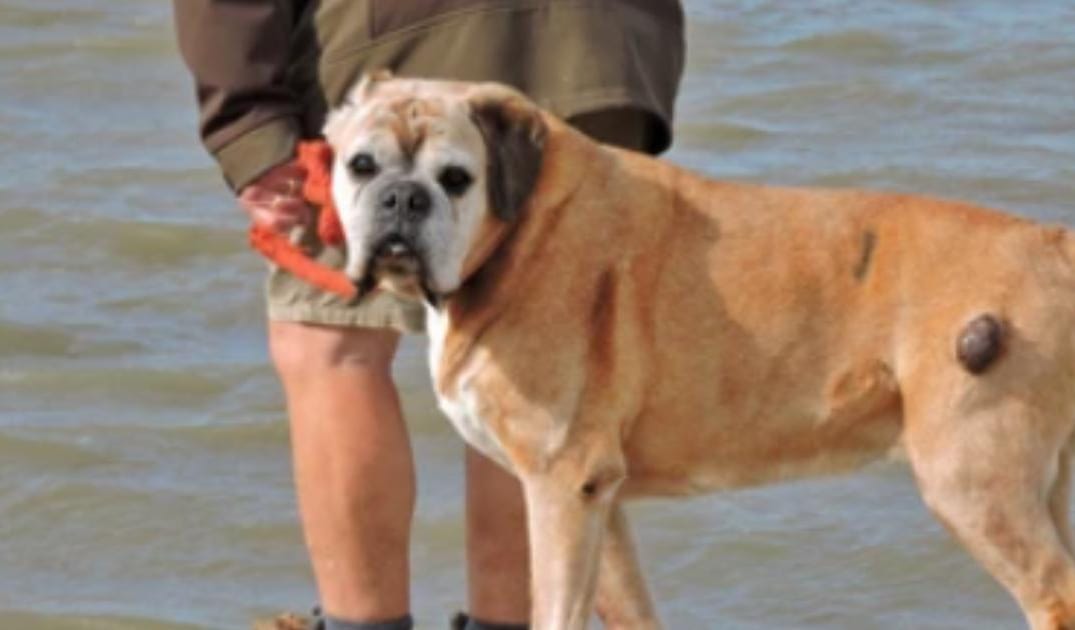
Few moments worry dog owners more than running their hand across their senior dog’s body and feeling a lump that wasn’t there before. One day everything seems normal, and the next you notice a small bump under the skin. Your mind may immediately jump to the worst-case scenario.
The reality is more complicated. Many lumps in older dogs are harmless. Some are even considered a normal part of aging. But others can signal infections, cysts, or cancer that require medical attention. Because lumps can look and feel similar regardless of the cause, veterinarians often stress one important rule: every new lump deserves a veterinary evaluation.
Below is a clear look at why lumps appear in older dogs, what they might mean, and what steps responsible pet owners should take.
Why Lumps Are Common in Senior Dogs
As dogs age, their bodies go through many of the same changes humans experience. Cells divide and repair themselves throughout life, but over time that process can become less controlled. When cells multiply abnormally instead of dying off naturally, they may form a mass or tumor.
These growths are generally grouped into two broad categories:
- Benign (non-cancerous)
- Malignant (cancerous)
Benign tumors tend to stay localized and do not spread to other organs. Malignant tumors, on the other hand, can invade surrounding tissue or spread to distant parts of the body.
Importantly, you cannot reliably tell which type a lump is simply by looking at it or touching it. Even experienced veterinarians rely on laboratory testing to confirm a diagnosis.
The Most Common Causes of Lumps in Older Dogs
Lipomas (Fatty Tumors)
One of the most common explanations for a new lump in a senior dog is a lipoma. These are benign tumors made of fat cells that grow beneath the skin.
Lipomas often feel:
- Soft or rubbery
- Movable under the skin
- Slow-growing
- Painless
They commonly appear on the chest, abdomen, or legs and usually do not cause health problems unless they become very large or interfere with movement.
Many veterinarians simply monitor small lipomas over time rather than removing them.
Good news: Lipomas are benign and do not spread to other organs.
Sebaceous Cysts
Another relatively harmless cause is a sebaceous cyst. These develop when oil-producing glands or hair follicles become blocked.
These lumps may feel:
- Firm or slightly fluid-filled
- Round and well-defined
- Sometimes inflamed or irritated
Cysts often remain small and may not require treatment unless they rupture or become infected.
Mast Cell Tumors
Not all lumps are benign. Mast cell tumors are among the most common skin cancers in dogs and can account for roughly 16 to 21 percent of canine skin tumors.
These tumors arise from immune cells called mast cells, which normally help the body respond to allergies and inflammation.
Signs that may accompany mast cell tumors include:
- A lump that changes size quickly
- Redness or swelling
- Itching or irritation
- Digestive problems like vomiting or diarrhea in some cases
While some mast cell tumors behave mildly, others can spread and become life-threatening. Early diagnosis significantly improves treatment outcomes.
Other Possible Causes
A lump can also result from several other conditions, including:
- Abscesses from infections or bite wounds
- Insect bites or allergic reactions
- Skin tags or benign skin growths
- Wart-like tumors
- Soft tissue sarcomas
- Melanomas
Because benign and malignant lumps often look nearly identical, professional evaluation is the only reliable way to determine what you are dealing with.
Signs That a Lump May Need Immediate Attention
Some lumps are harmless and slow-growing. Others may indicate a serious problem. Watch for the following warning signs:
- Rapid growth
- Ulceration or bleeding
- Pain when touched
- Sudden changes in size or color
- Hair loss around the lump
- Swelling or inflammation nearby
- Your dog showing signs of illness (vomiting, lethargy, appetite loss)
Any of these changes should prompt a veterinary visit as soon as possible.
What Your Veterinarian Will Likely Do
If you bring your dog in for a lump evaluation, the veterinarian will typically begin with a physical examination.
From there, they may recommend one of the following diagnostic tests:
Fine Needle Aspiration
A thin needle is used to collect cells from the lump. The sample is examined under a microscope to determine the type of cells present.
This test is commonly used to differentiate lipomas from cancerous tumors.
Biopsy
If the lump is suspicious or difficult to diagnose, a small portion (or the entire mass) may be surgically removed and sent to a laboratory for detailed analysis.
Imaging Tests
In some cases, X-rays or ultrasound may be recommended to determine whether a tumor has spread internally.
What Treatment Might Look Like
Treatment depends entirely on the type of lump diagnosed.
Possible options include:
Monitoring
Small benign growths may simply be observed over time.
Surgical Removal
This is the most common treatment for both benign and malignant skin tumors.
Chemotherapy or Radiation
These may be recommended for certain cancers, particularly aggressive tumors.
Medication
Some tumors can be managed with targeted therapies that slow their growth.
The appropriate plan will depend on your dog’s overall health, age, tumor type, and stage.
Practical Things You Can Do at Home
Even before seeing the vet, you can gather helpful information.
Consider:
- Taking clear photos of the lump
- Measuring it with a ruler or comparing it to a coin
- Noting when you first noticed it
- Monitoring whether it grows or changes
These observations can help your veterinarian track changes over time and guide diagnosis.
A Final Thought for Concerned Dog Owners
Discovering a new lump on your dog can feel frightening, especially when your companion is already entering their senior years. But it is important to remember that many lumps in older dogs are benign and manageable.
Still, the safest approach is simple: never assume a lump is harmless until a veterinarian confirms it.
Veterinary medicine has advanced significantly in diagnosing and treating canine tumors, and early detection greatly improves outcomes.
If you notice a new lump, schedule an appointment with your dog’s veterinarian for a proper evaluation. This article is intended for educational purposes only and should never replace professional veterinary advice.
Sources
- https://www.petmd.com/dog/conditions/cancer/dog-tumors
- https://www.morrisanimalfoundation.org/article/mast-cell-tumors-in-dogs
- https://seniortailwaggers.com/lumps-on-dog-chest-and-rib-cage/
- https://dogshowtv.com/mast-cell-tumor-vs-lipoma-dog/
- https://www.dogster.com/ask-the-vet/there-are-lumps-and-bumps-on-my-dogs-skin-vet-answer
If you want, I can also optimize this article for SEO (keywords, meta description, and search intent) since pet health topics perform very well in search traffic.