
Table of Contents
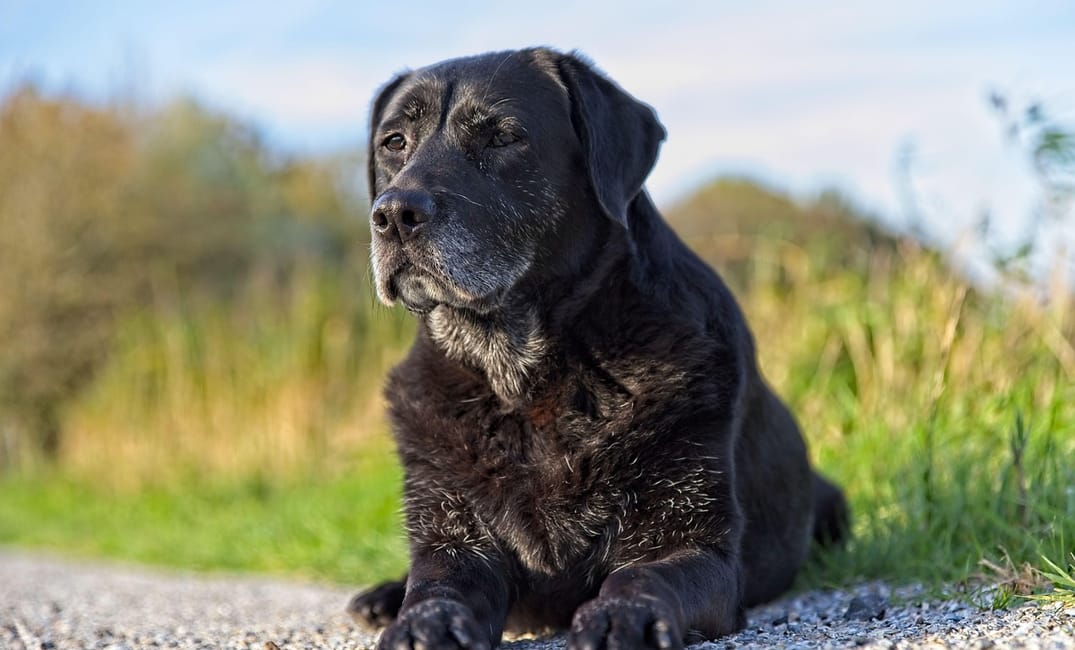
If you share life with a senior dog who is carrying extra weight, you already know how quickly “a few pounds” can turn into a real quality of life issue. Stiffer joints. Shorter walks. Heavier panting. Less enthusiasm for stairs. And a tougher time bouncing back after even minor illnesses.
It is also hard because weight gain in older dogs is rarely just about willpower or “too many treats.” Aging changes metabolism, mobility, hormone balance, and muscle mass. Add arthritis pain, post spay or neuter changes, and a household routine built around food, and weight creeps up almost quietly.
So it makes sense that people are asking a very modern question: could GLP-1 medications, the class behind human drugs like Wegovy and Ozempic, become a practical tool for overweight senior dogs?
The honest answer right now is: the idea is scientifically plausible, early veterinary research is emerging, but evidence and approvals for routine dog weight loss use are still limited. Always discuss any weight loss plan and any medication questions with your dog’s veterinarian, especially for seniors.
Why extra weight hits senior dogs harder
Carrying excess body fat is not just a cosmetic issue. In older dogs, it can amplify problems that are already common with aging:
- Arthritis and mobility decline: extra weight increases joint loading and often reduces activity further, creating a feedback loop.
- Loss of muscle mass: senior dogs can lose lean muscle while gaining fat, and the scale may hide what is really happening to their body composition.
- Metabolic strain: obesity is linked with a range of metabolic changes, and it may complicate conditions like diabetes or make them more likely to develop over time.
- Reduced stamina and heat tolerance: overweight dogs typically tire faster and can struggle more in warm climates.
Obesity is also common enough that many people underestimate it. Survey and clinical record data both show that a large portion of pet dogs are overweight or obese. For example, the Association for Pet Obesity Prevention has reported high rates of overweight and obesity in dogs, and veterinary guidance from AAHA summarizes those figures and encourages routine body condition scoring rather than relying on the scale alone. A large retrospective analysis using veterinary medical records from Banfield Pet Hospital also found overweight and obesity to be prevalent across adult life stages, with useful detail by life stage.
What GLP-1 medications do in humans, and why people think of them for dogs
GLP-1 stands for glucagon-like peptide-1, a hormone involved in appetite and glucose regulation. In humans, GLP-1 receptor agonists help many patients lose weight through a mix of effects that often include:
- increased satiety (feeling full sooner)
- reduced appetite and food-driven cravings
- slowed stomach emptying
- improved glucose control in people with diabetes
Because appetite reduction is part of the mechanism, it is tempting to picture a “Wegovy-like” option for dogs who seem constantly hungry, especially certain breeds and food-motivated personalities.
But translating a drug class from people to dogs is not as simple as adjusting the dose. Species differ in drug absorption, metabolism, side effect profiles, and what “safe long term” looks like.
What the veterinary research says so far about GLP-1 drugs in dogs
Here is the current state, based on what is publicly available:
Research interest is real, and the mechanism is being studied in companion animals
A recent scientific review on companion animal obesity discusses GLP-1 receptor agonists as a promising direction and notes that oral formulations of some GLP-1 agents can be effective in dogs in research settings, supporting the biological plausibility of this pathway. Another review focused on GLP-1 physiology and pharmacology in domestic animals also underscores growing interest in potential veterinary applications.
Clinical dog data is emerging, but still limited compared with human medicine
A 2025 clinical study involving liraglutide (a GLP-1 receptor agonist used in humans for diabetes and weight management) has been published with conclusions suggesting it may offer a viable option for treating overweight in dogs and calling for future long-term, detailed trials. That “future trials” line matters: one of the biggest gaps is long-term safety and real-world effectiveness in diverse dog populations, especially seniors with other medical conditions.
Pet-specific GLP-1 products are in trials, but not as routine dog obesity prescriptions
Public trial activity is easier to find for cats right now, including registry listings for an investigational long-acting implant delivering exenatide (another GLP-1 receptor agonist). While this does not equal “available for your dog,” it does signal that veterinary-targeted GLP-1 delivery approaches are being actively explored.
Bottom line: the science is moving, but for dogs, especially senior dogs, the evidence base is still developing. Expect your veterinarian to be cautious, and for good reason.
Are GLP-1 medications approved for weight loss in dogs right now?
As of the most recent publicly visible information, GLP-1 receptor agonists are not established as routine, broadly approved weight-loss medications for dogs. Much of their use in veterinary contexts is investigational, off-label, or discussed in research rather than standard prescribing.
It is also worth remembering that veterinary medicine has seen anti-obesity drugs before. Dirlotapide (Slentrol) was FDA-approved for canine obesity and was available to veterinarians in the late 2000s, but it did not become a long-standing mainstream solution. That history is part of why many vets will want strong, long-term data before embracing any new “weight loss injection” trend for dogs.
Why you should not give your dog Wegovy, Ozempic, or other human GLP-1 drugs
Even if GLP-1 therapy ends up being useful in veterinary medicine, human prescriptions are not a safe shortcut.
Key reasons:
- Dose and formulation are not interchangeable. “Tiny human dose” can still be wrong for a dog.
- Side effects can be serious, and seniors are more vulnerable. Older dogs may already have kidney disease, pancreatitis history, inflammatory bowel issues, or reduced appetite from other causes.
- Medication mix-ups are happening. Veterinary toxicology groups have reported cases where pets were accidentally given semaglutide instead of insulin, with significant consequences.
- You can mask illness. Appetite suppression might hide early signs of cancer, dental pain, organ disease, or endocrine problems, delaying diagnosis.
If a pet gets into your medication, call your veterinarian or a pet poison hotline immediately. Do not “wait and see” with seniors.
Potential benefits for senior dogs, if GLP-1 therapy becomes validated
If ongoing research supports safe use, the potential upsides for older dogs could include:
- Reduced hunger-driven behavior that sabotages diet plans
- More consistent caloric deficit without constant food battles
- Better ability to reach a healthier body condition that improves mobility and comfort
The goal would not be making a dog “skinny.” It would be restoring function: easier standing, longer walks, and less pain. In older dogs, even modest fat loss can matter if it improves movement.
The biggest unknowns and research limitations you should know
This is where the caution belongs.
- Long-term safety in dogs is not established the way it is in humans. Older dogs often take other medications and have multiple chronic conditions.
- Breed and size diversity: what looks safe in a controlled study group may not translate across breeds, especially small breeds, giant breeds, and dogs with sensitive gastrointestinal systems.
- Senior-specific evidence is thin. Many studies do not focus exclusively on geriatric dogs with arthritis, kidney disease, or heart disease.
- Outcome measures vary: some studies focus on appetite or metabolic markers, others on weight, and fewer on quality-of-life outcomes owners care most about.
So if you are reading headlines that imply “pet Ozempic is here,” treat them as early-stage enthusiasm, not settled veterinary consensus.
What to do now if your senior dog needs to lose weight
Even without a “Wegovy for dogs,” there are steps that consistently help and are much more evidence-supported in day-to-day practice:
Start with a veterinary checkup and a body condition score
Ask your veterinarian to assess body condition score and muscle condition, not just pounds. In seniors, muscle loss can hide behind fat gain, and the plan changes depending on what is being lost.
Also ask about screening for contributors to weight gain or reduced activity, such as hypothyroidism, arthritis pain, Cushing’s disease, or dental disease.
Use a therapeutic weight loss diet if recommended
Prescription and therapeutic weight loss diets can help maintain satiety while controlling calories. They also make calorie math easier because they are designed for controlled feeding.
Measure food with a scale, not a cup
Measuring cups drift, and senior dogs often need smaller margins. A kitchen scale is one of the simplest upgrades you can make.
Rebuild movement in joint-friendly ways
For older dogs, weight loss and mobility go together:
- shorter, more frequent walks
- slow incline work if tolerated
- underwater treadmill or swimming if appropriate
- physical therapy exercises your vet or rehab clinician shows you
Make treats boring and predictable
Swap high-calorie treats for low-calorie options and set a daily “treat budget.” Consistency beats creativity here.
If medication is discussed, ask the right questions
If your veterinarian brings up any appetite-modulating medication, ask:
- What evidence supports use in dogs like mine?
- What are the most common side effects?
- What lab work monitoring is required?
- What would make us stop the medication?
- How will we protect muscle mass during weight loss?
For senior dogs, a safe plan is usually slower, monitored, and focused on function over fast scale changes.
The realistic take: a promising idea, but not a plug-and-play solution
GLP-1 medications have changed human obesity care, and it is reasonable that veterinary researchers are exploring similar pathways. Peer-reviewed reviews and early clinical work suggest the approach could have a future in dogs. PMC+1 But for overweight senior dogs today, the most responsible stance is:
Do not self-prescribe human GLP-1 drugs for pets.
Work with your veterinarian on a weight and mobility plan that fits your dog’s age, conditions, and quality-of-life goals.
And if GLP-1 therapies become validated, approved, and properly dosed for dogs, your vet will be the best person to decide if your senior dog is a good candidate.
Sources
- Association for Pet Obesity Prevention (APOP), 2024 survey results. Association for Pet Obesity Prevention
- AAHA: “Is my pet overweight?” (includes summary of APOP 2024 figures and BCS guidance). aaha.org
- Banfield retrospective study on overweight/obesity prevalence across life stages (2020–2023 records). ScienceDirect
- Review: Advances in Drug Treatments for Companion Animal Obesity (includes discussion of GLP-1 receptor agonists and translational considerations). PMC+1
- Review on GLP-1 physiology/pharmacology in domestic animals (context for veterinary applications). ScienceDirect
- 2025 clinical study: liraglutide as a therapeutic for overweight in canines (calls for longer-term trials). ScienceDirect
- AVMA journal discussion of dirlotapide (Slentrol) history in dogs. AVMA Journals
- FDA animal drug document on dirlotapide adverse reactions (example of monitoring and safety considerations). Animal Drugs at FDA
- Pet Poison Helpline and veterinary media coverage on accidental semaglutide exposure in pets. Pet Poison Helpline+1
Reminder: This article is educational, not medical advice. Always check with your dog’s veterinarian before making diet changes, starting new exercise plans, or considering any medication, especially for senior dogs.