
Table of Contents
Getting older does not just change us, it changes our dogs too. The graying muzzle, the slower pace, and that deeper sigh as they settle into a favorite spot are all reminders that our loyal friends deserve extra care in their golden years. Making your home a little more comfortable for your senior dog is not complicated. It is about small, thoughtful touches that help them feel safe, supported, and loved.
1. Soften the floors
Slippery floors can be tough on aging joints. When paws slide around, your dog may start to feel nervous about walking through certain areas of the house. Adding area rugs or rubber backed mats gives your dog traction and confidence while moving from room to room.
A soft rug near their favorite resting place also doubles as a cozy landing zone where they can stretch out without pressure on elbows and hips.
2. Create a comfortable sleeping zone
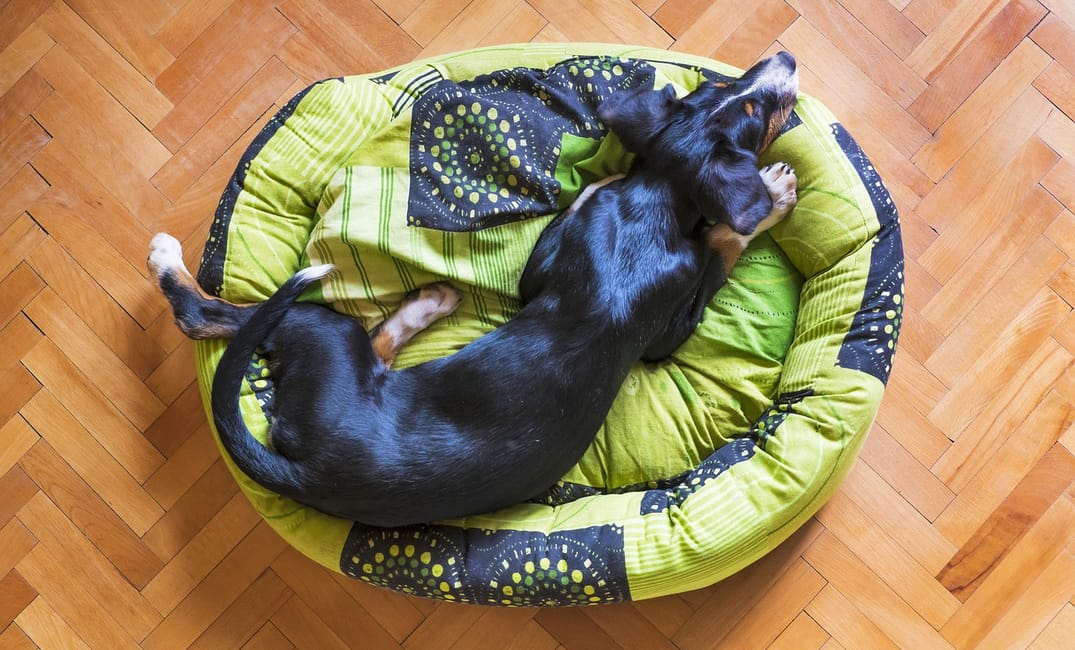
Older dogs often need extra support for their joints. An orthopedic bed with memory foam can ease pressure on hips, spine, and shoulders, which helps them settle more easily and sleep more deeply.
Place the bed in a warm, quiet corner where they are still close enough to see or hear the family, but away from constant footsteps and noise. Many senior dogs rest better when they know you are nearby, but do not have to be in the middle of everything.
3. Keep essentials on one level
If your home has stairs, going up and down repeatedly can become painful or risky for your senior dog. Whenever possible, set up their bed, food, and water on the same floor.
If stairs cannot be completely avoided, you can help by adding carpet treads or using a gentle ramp so they are less likely to slip. Reducing the number of times they have to climb is one of the easiest ways to protect their joints.
4. Adjust the lighting
Just like people, senior dogs can develop cloudy vision or have trouble seeing in low light. Nighttime can feel confusing if the house is too dark.
A simple solution is to plug in small nightlights along hallways, near doorways, and by their water bowl. These little lights help them navigate without fear of bumping into furniture or getting stuck in a corner they cannot quite see.
5. Raise food and water bowls
Bending down too far can be uncomfortable for dogs with arthritis, neck pain, or stiffness in the shoulders. Elevated bowls bring food and water closer to their natural head height.
This small change can make mealtimes easier, reduce strain, and even encourage them to drink more water, which is especially important for older dogs. Look for a stand that keeps bowls steady so they do not slide around.
6. Make bathroom breaks simple
Senior dogs may need more frequent trips outside, and sometimes their bladder control is not what it used to be. Easy access to a potty area can reduce accidents and stress for both of you.
If possible, choose a door that is quick to reach from their favorite resting spot. A doggy door can help some families, while others simply keep a clear path to the yard or set up a nearby potty patch for late-night emergencies.
7. Keep temperatures comfortable
As dogs age, they often become more sensitive to both heat and cold. A room that feels fine to you can be a little too chilly for stiff joints or a bit too warm for a dog with a thick coat.
Try to maintain a steady, moderate indoor temperature. Offer soft blankets in cooler months and make sure their bed is away from drafts. In hotter weather, keep their resting spot shaded and well ventilated, with fresh water always available.
8. Simplify their space
Big furniture changes can be confusing for an older dog who has spent years memorizing the layout of your home. When their vision or hearing changes, they rely even more on this mental map.
Try to keep pathways open and consistent. Pick up clutter on the floor and avoid blocking areas they walk through often. Predictable routes help them feel confident and reduce the chance of tripping or getting stuck behind chairs or tables.
9. Add gentle ramps or steps
Jumping on and off the couch or bed can go from fun to painful as joints age. Instead of asking them to leap, you can give them a safer path.
Soft ramps or low pet steps allow your dog to reach favorite spots without putting extra pressure on their hips and spine. Choose options with good traction and a gentle incline. Over time, this can make a big difference in their comfort and mobility.
10. Keep love within reach
More than anything, your senior dog wants to stay connected to you. They may not run as fast or fetch as long, but their heart is very much the same.
Make time for slow walks, easy games, and quiet cuddles. Gentle brushing, light massage, and simply sitting together on the floor can be incredibly soothing for an older dog. These moments tell them, in a language they understand, that they are still the heart of your home.
Growing old is just another chapter in your dog’s story, and your home can make that chapter feel soft, safe, and deeply loved. With a few simple changes, you are not only making your space senior dog friendly, you are honoring all the years of loyalty and joy they have already given you.